
(Cassava Flour Cake with Coconut and Raisins)
There are cakes that enter a room dramatically.
Layered. Frosted. Demanding applause.
And then there are cakes like this one.
Quiet. Golden. Slightly rustic.
The kind that waits patiently on the counter and somehow disappears slice by slice.
This week I baked a cassava flour cake — soft, gluten-free, uncomplicated — and I folded into it what I had in the pantry: dried unsweetened coconut and a handful of raisins.
No fanfare.
No elaborate plan.
Just texture, warmth, and comfort.
And it worked beautifully.
The coconut gives it that subtle chew, that gentle reminder of summer afternoons somewhere warm. The raisins soften in the oven and turn into little pockets of sweetness — not loud, just enough.
It’s not a flashy cake.
It’s a steady cake.
The kind that pairs with:
Morning coffee before the house fully wakes
A mid-afternoon pause
Or a late-night slice eaten quietly at the kitchen counter
Cassava flour gives it a tender, slightly dense crumb. It feels grounded. Almost old-fashioned. The batter is thicker than wheat flour cakes — and that’s part of its charm. It bakes into something that feels substantial without being heavy.
I didn’t frost it.
I didn’t glaze it.
Just a light dusting of powdered sugar.
Sometimes that’s enough.
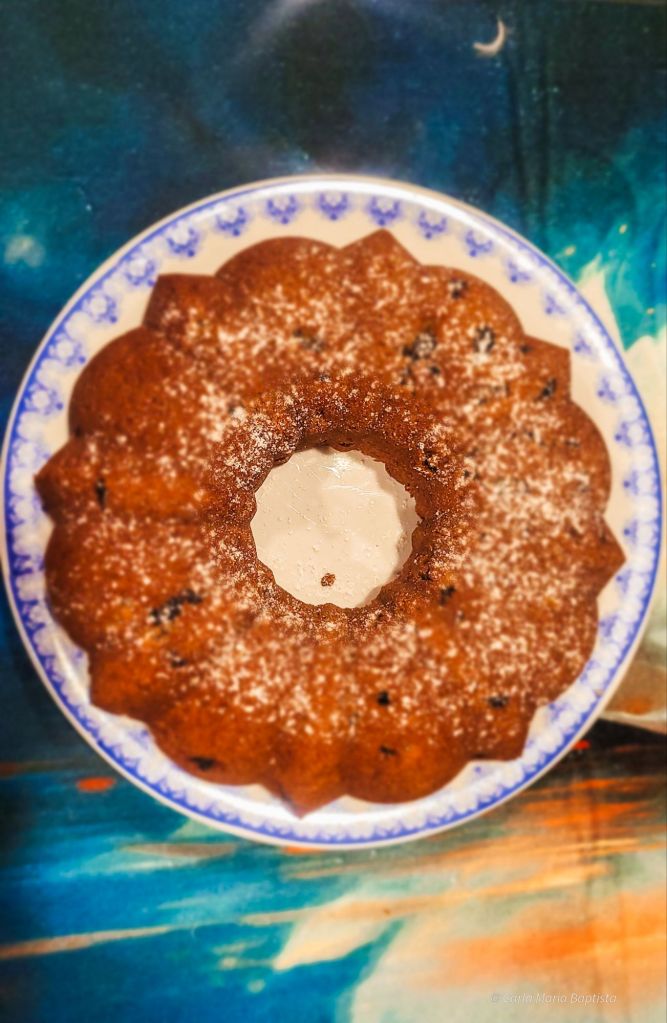
Cassava Flour Cake with Coconut and Raisins
Ingredients
2 cups cassava flour
1½ tsp baking powder
¼ tsp salt
3 eggs, room temperature
¾ cup sugar
½ cup neutral oil or melted butter
½ cup milk (dairy or plant-based)
1 tsp vanilla
½ cup dried unsweetened coconut
½ cup raisins (lightly tossed in cassava flour before adding)
Instructions
Preheat oven to 350°F (175°C). Grease an 8-inch pan.
In one bowl, whisk cassava flour, baking powder, and salt.
In another bowl, beat eggs and sugar until slightly pale.
Add oil, milk, and vanilla. Mix well.
Fold in the dry ingredients gently — don’t overmix.
Stir in coconut and raisins.
Pour into pan and smooth the top.
Bake 35–45 minutes, until golden and a toothpick comes out clean.
Let cool before slicing.
The next day, it’s even better.
The coconut settles in.
The raisins soften further.
The crumb relaxes.
It’s not a celebration cake.
It’s a resilience cake.
The kind you bake because you needed something warm in the house.
And sometimes that’s the best kind of recipe.
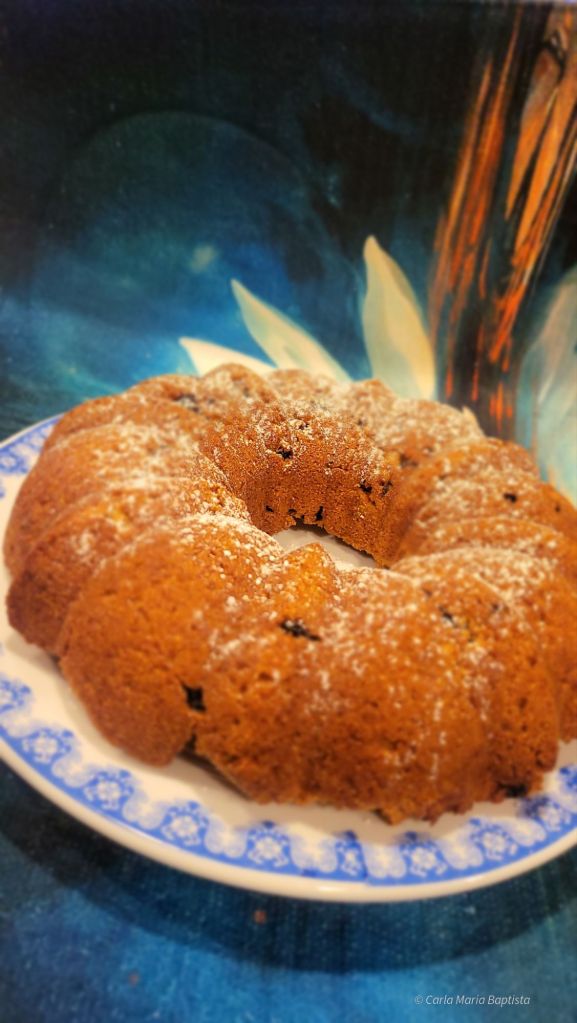
Uma Doce Fatia de Conforto
(Bolo de Farinha de Mandioca com Côco e Passas)
Há bolos que entram numa sala de forma dramática.
Com camadas. Coberturas. A pedir aplausos.
E depois há bolos como este.
Silencioso. Dourado. Ligeiramente rústico.
Daqueles que ficam pousados na bancada e, sem se perceber bem como, vão desaparecendo fatia a fatia.
Esta semana fiz um bolo de farinha de mandioca, macio, sem glúten, descomplicado, e juntei-lhe o que tinha na despensa: coco seco sem açúcar e um punhado de passas.
Sem fanfarra.
Sem plano elaborado.
Apenas textura, calor e conforto.
E resultou lindamente.
O côco dá-lhe aquela leve mastigabilidade, uma lembrança subtil de tardes quentes algures num lugar solarengo. As passas amolecem no forno e transformam-se em pequenos bolsos de doçura, nada excessivo, apenas o suficiente.
Não é um bolo exuberante.
É um bolo constante.
Daqueles que acompanham:
Um café da manhã antes de a casa acordar por completo
Uma pausa a meio da tarde
Ou uma fatia tardia, comida em silêncio junto ao balcão da cozinha
A farinha de mandioca dá-lhe um miolo tenro, ligeiramente denso. Sente-se firme. Quase antigo. A massa é mais espessa do que a de um bolo com farinha de trigo — e isso faz parte do seu encanto. No forno transforma-se em algo consistente, sem ser pesado.
Não lhe fiz cobertura.
Não lhe fiz glacê.
Apenas uma leve camada de açúcar em pó.
Às vezes, basta.
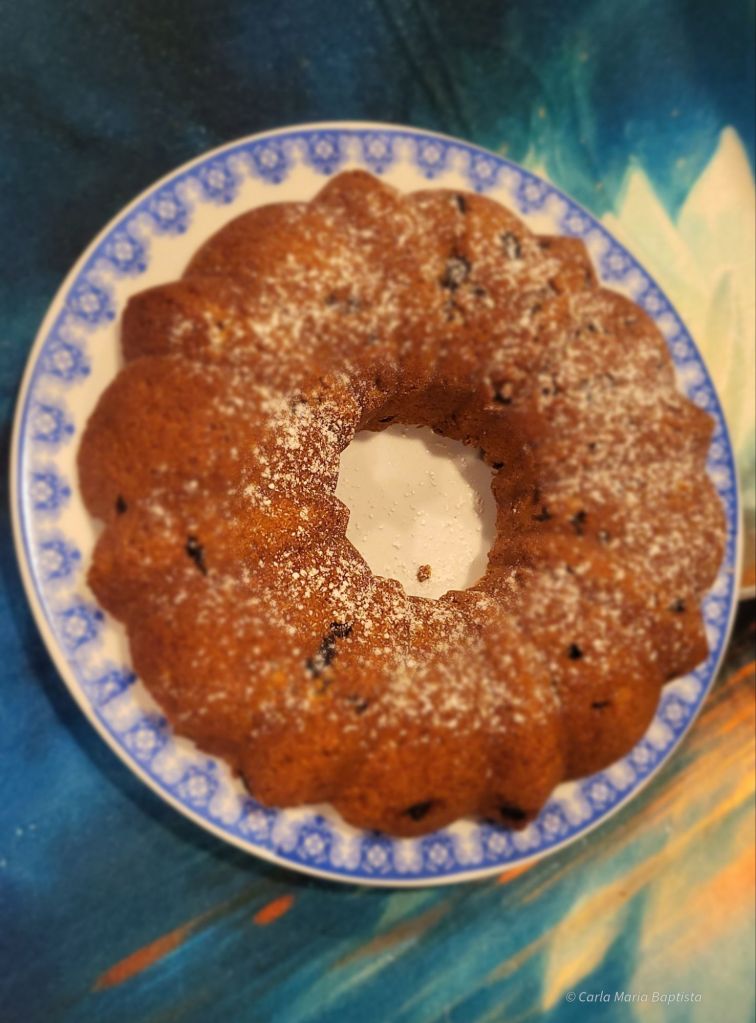
Bolo de Farinha de Mandioca com Coco e Passas
Ingredientes
2 chávenas de farinha de mandioca
1½ colher de chá de fermento em pó
¼ colher de chá de sal
3 ovos à temperatura ambiente
¾ chávena de açúcar
½ chávena de óleo neutro ou manteiga derretida
½ chávena de leite (animal ou vegetal)
1 colher de chá de extracto de baunilha
½ chávena de coco seco sem açúcar
½ chávena de passas (envolvidas previamente num pouco de farinha de mandioca)
Preparação
Pré-aqueça o forno a 175°C. Unte uma forma de 20 cm.
Numa taça, misture a farinha de mandioca, o fermento e o sal.
Noutra taça, bata os ovos com o açúcar até ficarem ligeiramente mais claros.
Junte o óleo, o leite e a baunilha. Misture bem.
Incorpore os ingredientes secos delicadamente — sem bater demasiado.
Envolva o coco e as passas.
Verta na forma e alise o topo.
Leve ao forno durante 35–45 minutos, até dourar e o palito sair limpo.
Deixe arrefecer antes de desenformar e cortar.
No dia seguinte, está ainda melhor.
O coco assenta.
As passas ficam mais macias.
O miolo torna-se mais harmonioso.
Não é um bolo de celebração.
É um bolo de resistência.
Daqueles que se fazem porque precisávamos de algo quente em casa.
E, por vezes, é isso que mais importa.


 A Toast Between Seasons