
Em Janeiro de 2021 uma casa ruiu em Harrisburg, Pensilvânia. Uma acumulação de histórias, de acontecimentos, de ausência de renovações atempadas e adequadas, levou a que um dos marcos desta cidade caisse por terra.
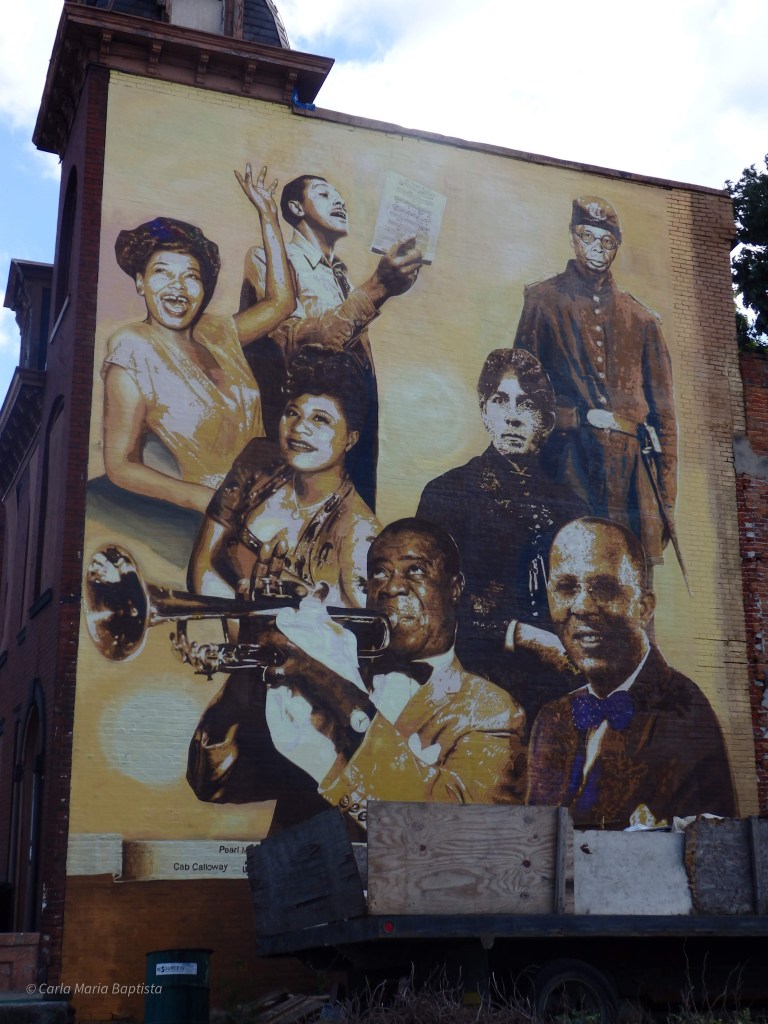
Numa das suas paredes exteriores podiamos admirar um mural (um dos muitos murais existentes em Harrisburg) onde estavam representados grandes nomes das artes! Posso dizer-vos que foi talvez o primeiro mural de Harrisburg que vi e, desde então, gostava de passar por ele de cada vez que ia até à cidade.
German Jackson, filho de escravos, um dos mais bem sucedidos homens de negócios da sua geração, abriu este hotel, destinado a receber os artistas que depois de terem actuado em salas de espéctaculos e clubes, viam a sua entrada recusada em hoteis, para pernoitar, devido à côr da sua pele,
Jackson morreu no Sec XX, década de 90 e deixou, em testamento, esta Casa ao seu amigo Kegris. Infelizmente este testamento informal, escrito na parte de trás de uma lista de compras, levantou problemas legais, que demorarm muito tempo a ser resolvidos. Durante esse compasso de espera o qual a Casa ficou vazia a degradar-se. Quando o longo processo chegou ao seu término a Casa ainda chegou a funcionar outra vez, e havia planos para dinamizar toda a zona envolvente, mas infelizmente, os estragos de décadas de abandono foram irreversíveis e nem o mural se conseguiu salvar.
Talvez o sucedido com este pedaço de História traga a necessidade de uma reflexão acerca de como manter este tipo de património cultural, que enriquece tanto a História.
Eu fico feliz de ter tirado uma fotografia enquanto a Casa de Jackson estava de pé.
In January 2021, a house crumbled in Harrisburg, Pennsylvania. It was a structure layered with stories, shaped by time, neglect, and the absence of timely renovations—until, at last, one of the city’s landmarks fell to the ground.
On one of its exterior walls, a mural once stood—one among the many that grace Harrisburg—paying tribute to great figures of the arts. Perhaps it was the first mural I ever noticed in the city, and from that moment on, I made a point to pass by it whenever I visited.
This house had a history woven with resilience and necessity. It was built by German Jackson, the son of enslaved parents, who rose to become one of the most successful businessmen of his time. His hotel became a refuge for artists—performers who, after dazzling audiences in theaters and clubs, found themselves turned away from hotels simply because of the color of their skin.
Jackson passed away in the 1990s, leaving the house to his dear friend Kegris in a will scrawled on the back of a shopping list. But this informal testament led to lengthy legal battles, and during those years of uncertainty, the house stood empty, slowly decaying. When the legal disputes were finally resolved, the doors opened once more, and there were dreams of revitalizing the entire neighborhood. Yet, time had already exacted its toll. The damage caused by decades of neglect proved irreversible. Even the mural could not be saved.
Perhaps this loss should prompt reflection—on the importance of preserving cultural heritage, on the silent erosion of history that unfolds when we fail to protect what enriches our past.
I take solace in knowing that, before it was lost, I captured a photograph of Jackson’s house standing proud, still holding its stories within its walls.


 A Toast Between Seasons