
There was but one day in the entire year when I wished for rain—not because I loved the feel of wetness on my skin, nor because I held any dislike for the sun—
but because, on that singular February day, rain carried a promise:
It meant winter was finally folding its heavy cloak and preparing to leave.
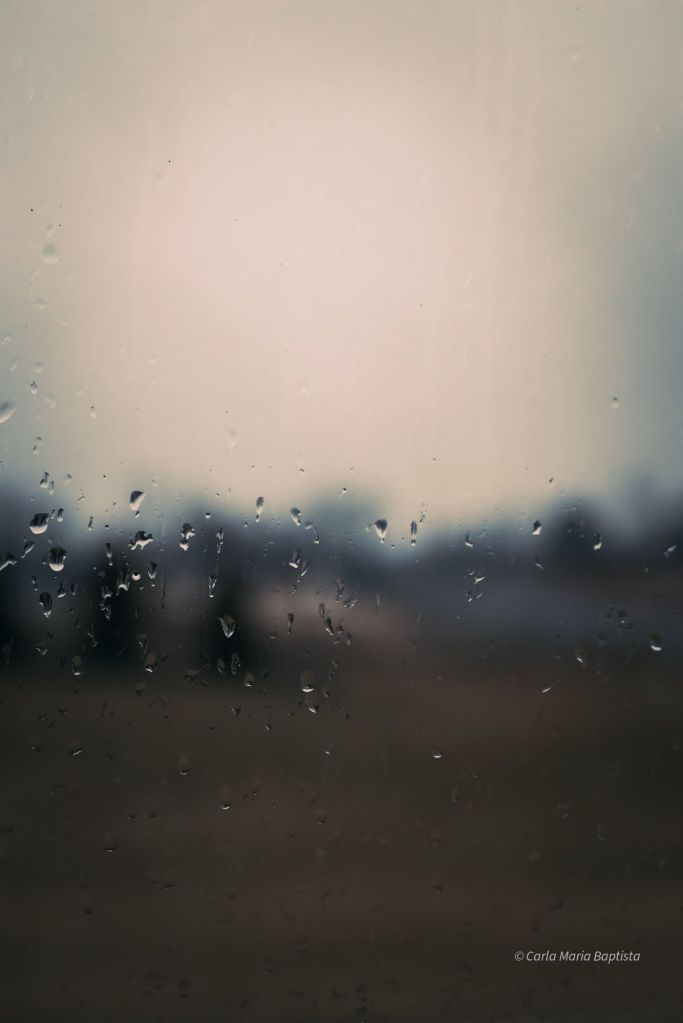
“If Our Lady of Candlemas weeps, winter is on its way out.
If she smiles, winter lingers still.”
Every child I knew grew up whispering this ancient refrain,
and so, on the second of February, we turned our gaze to the sky with hopeful hearts.
Clouds were embraced like old friends; rain was quietly welcomed.
Sunshine? That was a gentle disappointment, a delay in the unfolding.
Only later did I come to realize that this simple wish—a child longing for rain—
was a thread woven through time, a hope shared far beyond my town, beyond my country.
In the Catholic Church, February 2nd is the Feast of the Presentation of the Lord,
a sacred remembrance of when Mary and Joseph carried the infant Jesus to the Temple in Jerusalem, forty days after His birth.
It is a day that celebrates Jesus as the “Light of the World,”
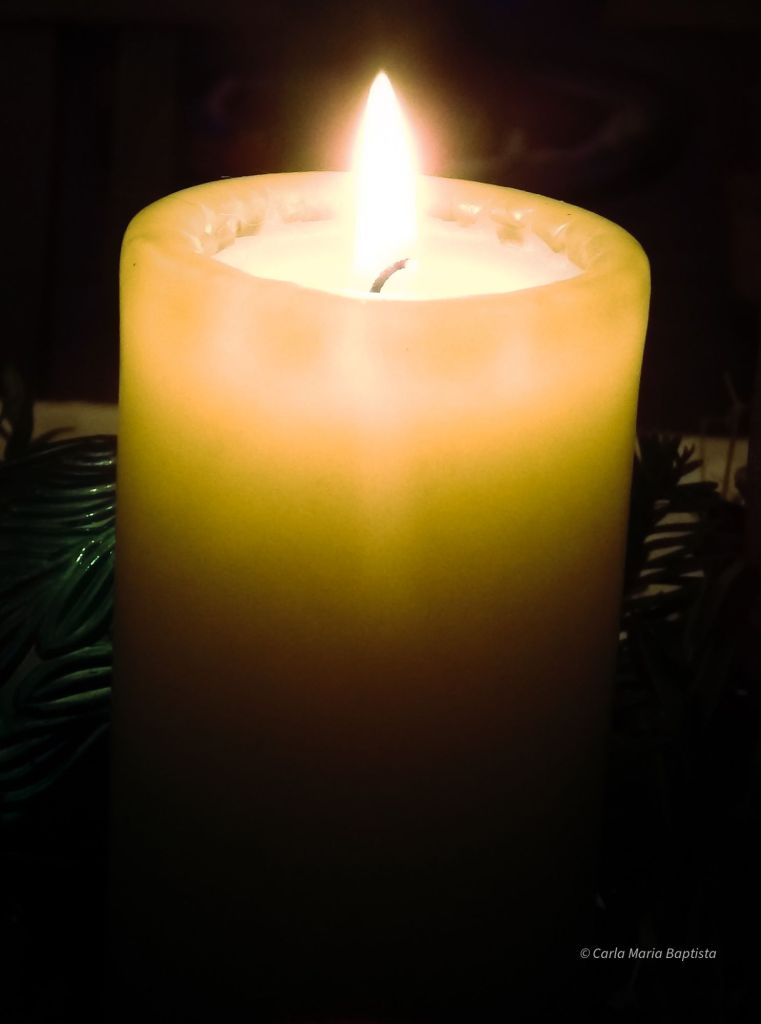
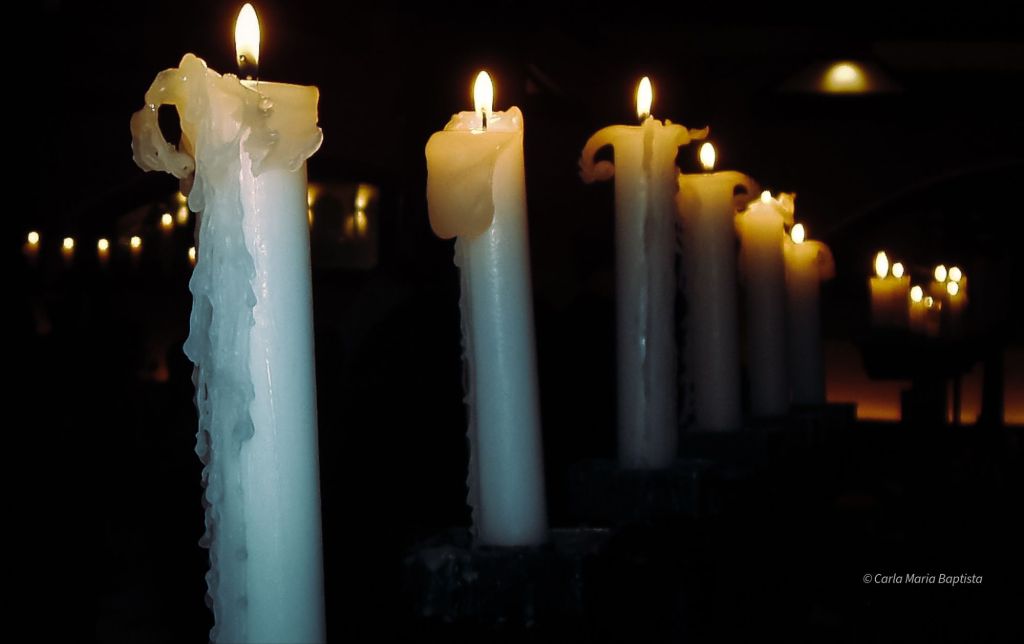
traditionally honored through the blessing of candles, their flames flickering with quiet reverence in churches everywhere.
But beyond doctrine and ceremony, what lingers most vividly for me is the feeling.
The church was never so full as it was on Candlemas.
There were days when more people filled the pews—
but never did it feel so full, so alive, as it did on that day—because of the babies.
Babies everywhere—crying, squirming, sleeping in arms,
pregnant women nestled carefully among the pews,
and a gentle, tender chaos of life unfolding as candles were lit and blessed.
The babies’ cries wove through the hymns like a sacred chorus, and no one minded.
It felt right—as if their voices belonged there,
woven like golden threads into the tapestry of prayer,
delicate and essential, a living hymn.
There was a special blessing that day—for mothers, for children, for life itself.
And in that blessing, God felt neither distant nor abstract.
He was small, fragile, and near—
a child among children, a light shining quietly in our midst.
After Mass, the candles came home.
They were not mere ornaments, nor casual tokens.
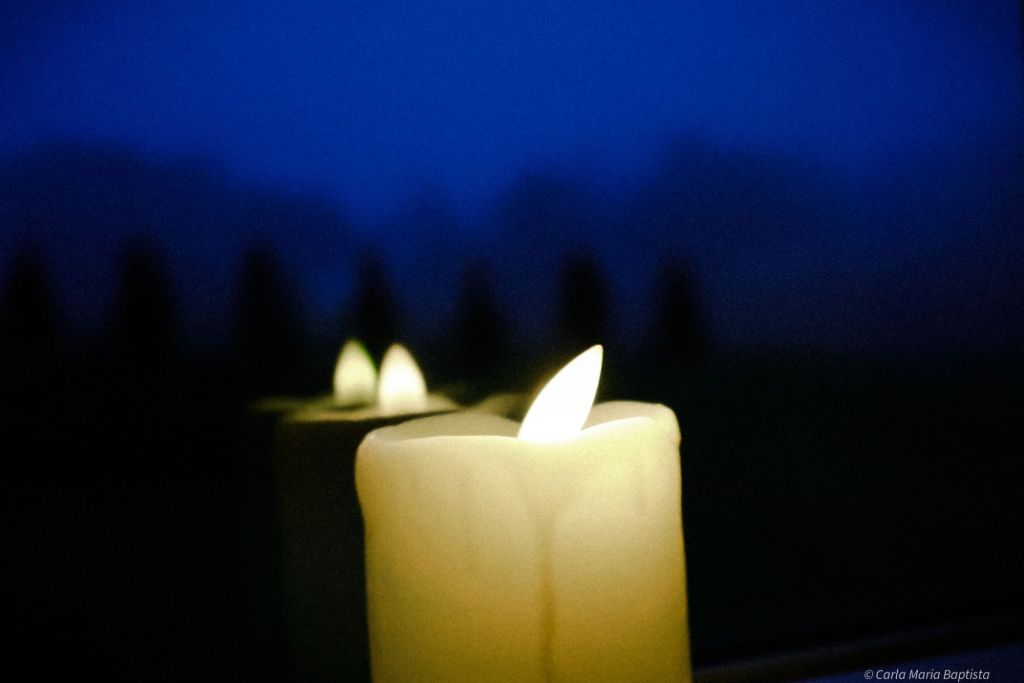
These were Candlemas candles, imbued with purpose and quiet power.
Long ago, they were lit during storms, when thunder shook the windows,
or beside the sick, when silent fear filled the room.
They burned when words failed—when silence settled like a blanket.
Some families traced the sign of the cross with the flame near doors and windows, asking for protection.
Others kept their candle untouched, holding its quiet presence like a whispered prayer,
a watchful guardian waiting patiently in the stillness.
This was a faith that did not shout.
A faith that lived in drawers and cupboards,
waiting in the quiet folds of everyday life like a soft murmur beneath the noise of the world.
Candlemas is also a gentle conversation with the weather.
People believed the sky spoke—not with thunderous voice, but with honest whispers.
Rain meant winter’s grip was loosening.
Sun meant it might tighten again.
What I did not understand as a child was that the same question
was asked across distant lands—just in different tongues and tones.
These were not mere superstitions, but ancient wisdom passed down through generations—
people who worked the earth, watched the seasons, and knew survival depended on listening to the sky’s subtle language.
Winter was never romantic; it was something to endure,
a quiet trial beneath the cold breath of time.
The same story, told elsewhere:
In France, Candlemas is La Chandeleur, celebrated with crêpes, made with the leftovers of the flour from the last harvest—
round, golden discs like miniature suns, flipped high into the air,
sometimes held with a coin, a wish for prosperity and good harvests.
The custom, rooted in ancient belief, promised fortune and abundance.
In Germany, Mariä Lichtmess marked the end of Christmas and the return to the fields.
A sunny Lichtmess—“Shadow Seen”—meant more winter was coming.
Stormy or snowy Lichtmess—“No Shadow”—promised spring was near.
German traditions crossed oceans with immigrants,
growing into the American Groundhog Day we know today.
Across the Atlantic, the most famous celebration unfolds in Punxsutawney, Pennsylvania—
home of Punxsutawney Phil, the groundhog made legendary by film and folklore.
Each year, crowds gather to see if Phil will see his shadow.
But Punxsutawney is just the grandest stage—
other towns across the country have their own groundhogs, their own rituals, their own local whispers of hope—
each a gentle variation on the same ancient question.
If the groundhog sees his shadow, winter lingers.
If not, spring arrives early.
Different towns. Different creatures.
The same old question.
In Portugal, Our Lady cries or smiles.
In the United States, a groundhog sees or does not see his shadow.
Both are simply ways of asking:
Are we nearly there yet?
Why this day still matters:
Candlemas, pancakes, crêpes, groundhogs— they all circle the same human longing.
We want reassurance.
We want light.
We want to believe the hardest part is nearly done.
And perhaps that is why, even now, I remember that childhood wish so clearly—
the hope that the sky would open,
that rain would fall,
and that winter would finally let go.
Because once upon a time, rain was something a child could wish for—and smile about.
O Dia em que Desejava que Chovesse
Havia apenas um dia em todo o ano em que desejava que chovesse,
não porque gostasse de me molhar, nem porque desgostasse do sol,
mas porque, naquele único dia de Fevereiro, a chuva trazia uma promessa: significava que o Inverno finalmente dobrava o seu pesado manto e se preparava para partir.
“Se Nossa Senhora das Candeias chora, está o Inverno fora
Se rir, está o Inverno para vir .”

Todas as crianças que conhecia cresciam a sussurrar este antigo ditado e assim, no dia 2 de Fevereiro, voltávamos o olhar para o céu com corações esperançosos.
As nuvens eram abraçadas como velhos amigos; a chuva era silenciosamente bem-vinda.
O sol? Era sempre uma suave desilusão, um atraso no desenrolar da estação.
Só mais tarde percebi que este simples desejo, uma criança a ansiar pela chuva, era um fio tecido ao longo do tempo, uma esperança partilhada muito para lá da minha cidade, muito para lá do meu país.
Na Igreja Católica, o dia 2 de Fevereiro é a Festa da Apresentação do Senhor no Templo, uma memória sagrada do momento em que Maria e José levaram o Menino Jesus ao Templo em Jerusalém, quarenta dias após o Seu nascimento. É também um dia que celebra Jesus como a “Luz do Mundo,” tradicionalmente assinalado pela bênção das velas, cujas chamas tremulam com quieta reverência nas igrejas.
Mas para além da doutrina e da cerimónia, o que mais permanece comigo é o sentimento.
A igreja nunca esteva tão cheia como estava no dia da Senhora das Candeias. Claro que havia dias em que mais pessoas encheram os bancos, mas nunca se sentia tão cheia, tão viva, como naquele dia, tudo por causa dos bebés.
Bebés por toda a parte a chorar, a mexer-se, a dormir nos braços,
mulheres grávidas acomodadas cuidadosamente nos bancos e um suave e terno caos de vida a desenrolar-se enquanto as velas eram acesas e abençoadas.
Os choros dos bebés entrelaçavam-se com os hinos como um coro sagrado, e ninguém se importava.
Era como se as suas vozes pertencessem ali, tecidas como fios dourados na tapeçaria da oração,
delicadas e essenciais, um hino vivo.
Havia uma bênção especial naquele dia para mães, para crianças, para a própria vida. E nessa bênção, Deus não parecia distante nem abstracto.
Era pequeno, frágil e próximo, uma criança entre crianças, uma luz a brilhar silenciosamente no nosso meio.
Após a missa, as velas eram trazidas para casa, não como meros ornamentos, nem lembranças casuais. Eram as velas da Candelária, cheias de propósito e poder silencioso.
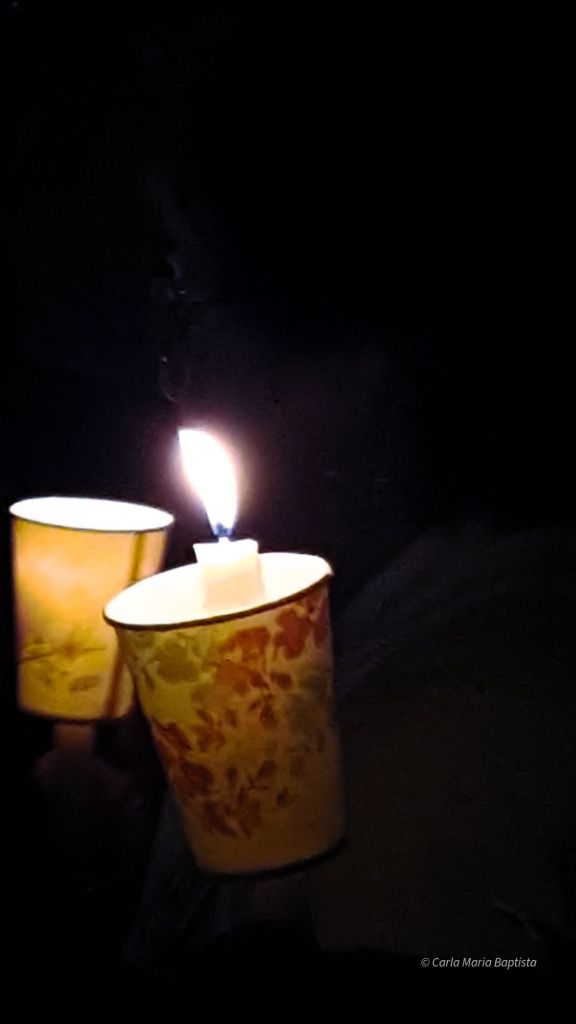
Há muito tempo atrás, eram acesas durante tempestades, quando o trovão fazia vibrar as janelas,
ou ao lado dos doentes, quando o medo silencioso enchia a sala.
Iluminavam quando as palavras faltavam, quando o silêncio caía como um manto.
Algumas famílias traçavam o sinal da cruz com a chama perto das portas e janelas, pedindo proteção.
Outras guardavam a vela intacta, segurando a sua presença silenciosa como uma prece sussurrada,
um guardião vigilante que esperava pacientemente na quietude.
Esta era uma fé que não gritava.
Uma fé que vivia em gavetas e armários, à espera, nas dobras silenciosas da vida diária, como um suave murmúrio sob o ruído do mundo.
A Candelária é uma conversa delicada com o tempo.
As pessoas acreditavam que o céu falava, não com voz estrondosa, mas com sussurros honestos, por sinais.
A chuva significava que o Inverno estava a cegar ao fim.
O sol significava que ele podia apertar de novo.
O que eu não entendia na infância era que a mesma pergunta
se fazia em outros pontos do globo— apenas com outras línguas e ritos.
Não eram meras superstições, mas sabedoria antiga passada através das gerações, por pessoas que trabalhavam a terra, observavam as estações e sabiam que a sobrevivência dependia de escutar a linguagem subtil do céu.
O Inverno nunca foi romântico; era algo para suportar, um silêncio frio sob o sopro do tempo.
Era a mesma história, contada noutros lugares, outros intervenientes.
Em França, a Senhora das Candeias é La Chandeleur, celebrada com crepes, confeccionados com os restos da farinha da última colheita, discos redondos e dourados, como pequenos sóis, lançados para o ar, por vezes segurando uma moeda, um desejo de prosperidade e boas colheitas. O costume, enraizado na crença antiga, prometia fortuna e abundância.
Na Alemanha, Mariä Lichtmess marcava o fim do Natal e o regresso aos campos.
Um Lichtmess solarengo — “Sombra Vista” — significava que o Inverno ainda vinha.
Um Lichtmess tempestuoso ou nevado — “Sem Sombra” — prometia a chegada da primavera.
As tradições alemãs cruzaram oceanos com os imigrantes,
e deram origem ao Dia da Marmota americano que conhecemos hoje.
Do outro lado do Atlântico, a celebração mais famosa realiza-se em Punxsutawney, Pensilvânia —
casa do Punxsutawney Phil, a marmota imortalizada pelo cinema e pela tradição.
Todos os anos, multidões reúnem-se para ver se Phil verá a sua sombra.
Mas Punxsutawney é apenas o maior palco, outras vilas pelo país têm as suas próprias marmotas, rituais e previsões locais, cada uma uma suave variação da mesma antiga esperança.
Se a marmota vê a sua sombra, o Inverno prolonga-se. Se não vê, a Primavera chega cedo.
Cidades diferentes. Personagens diferentes. A mesma pergunta.
Em Portugal, Nossa Senhora das Candeias chora ou ri.
Nos Estados Unidos, a marmota vê ou não vê a sua sombra.
Ambos são simplesmente formas de perguntar:
Estamos quase lá?
Porque este dia ainda tem importância:
Candelária, panquecas, crepes, marmotas, todos giram em torno do mesmo anseio humano.
Queremos segurança.
Queremos luz.
Queremos acreditar que a parte mais difícil está quase a terminar.
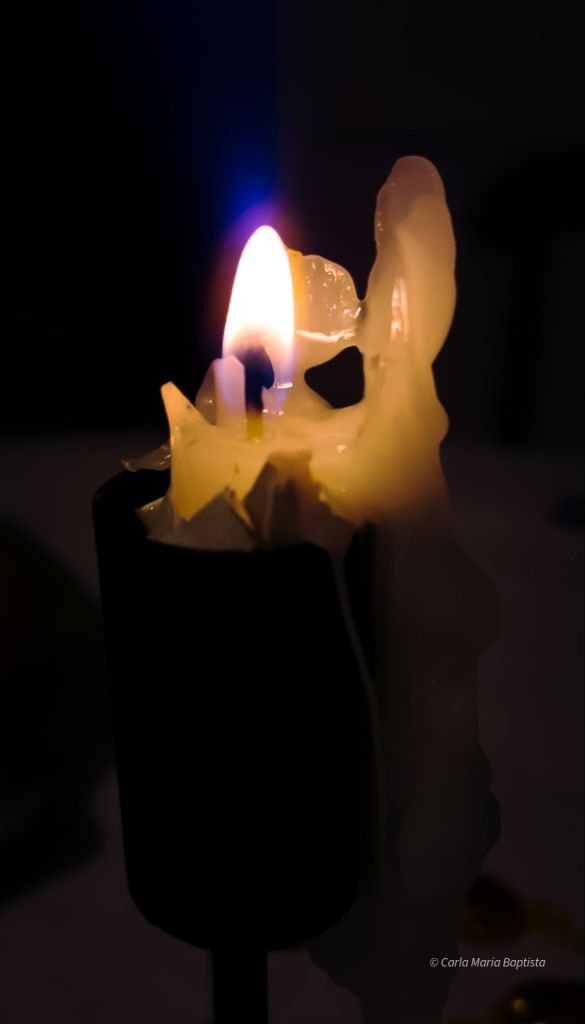
E talvez seja por isso que, mesmo agora, me lembro tão bem daquele desejo de infância, a esperança de que o céu se abrisse,
que a chuva caísse,
e que o Inverno finalmente nos deixasse.
Porque houve um tempo em que a chuva era algo que uma criança podia desejar… e sorrir.
Discover more from A Toast Between Seasons
Subscribe to get the latest posts sent to your email.


